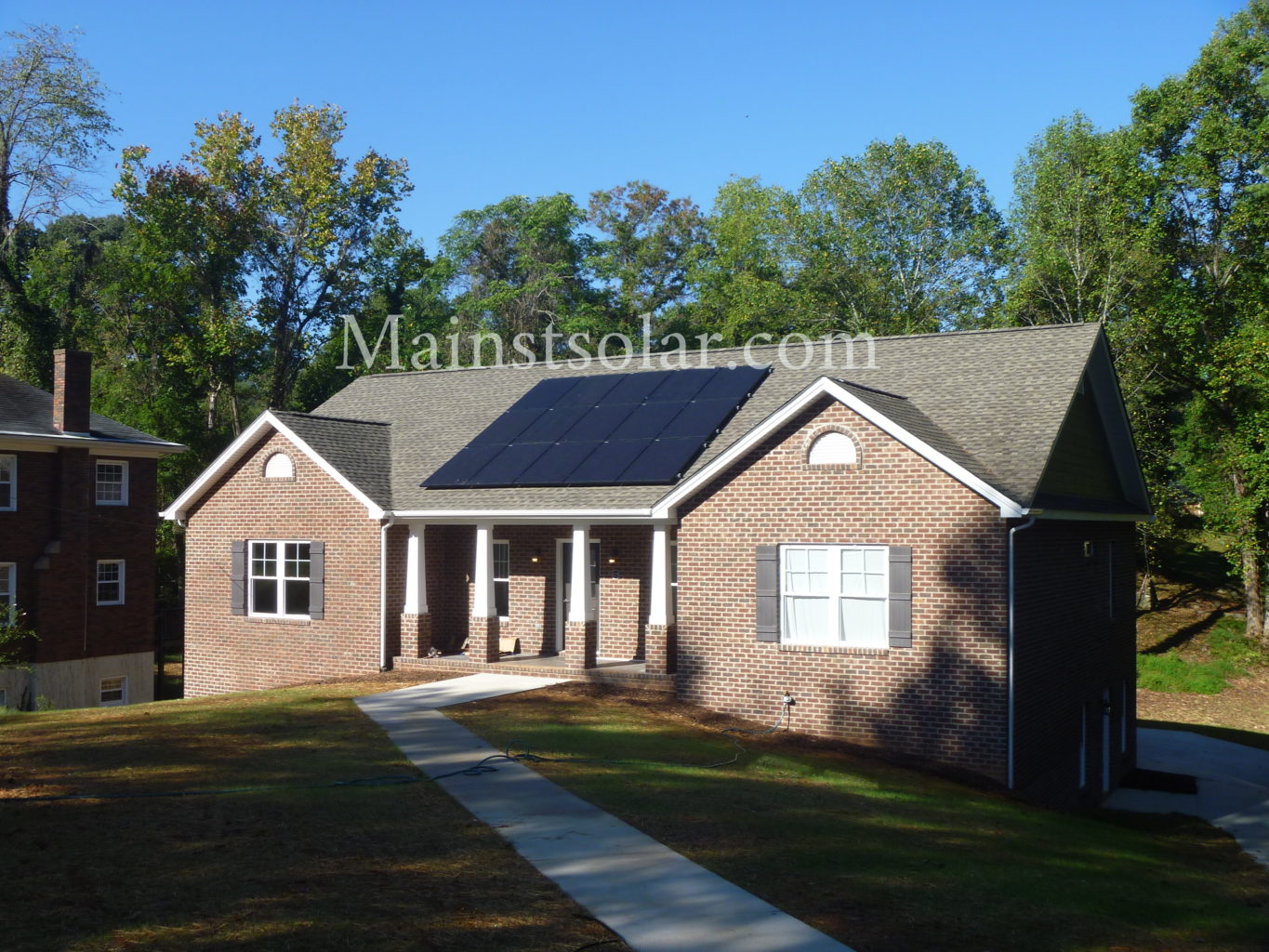
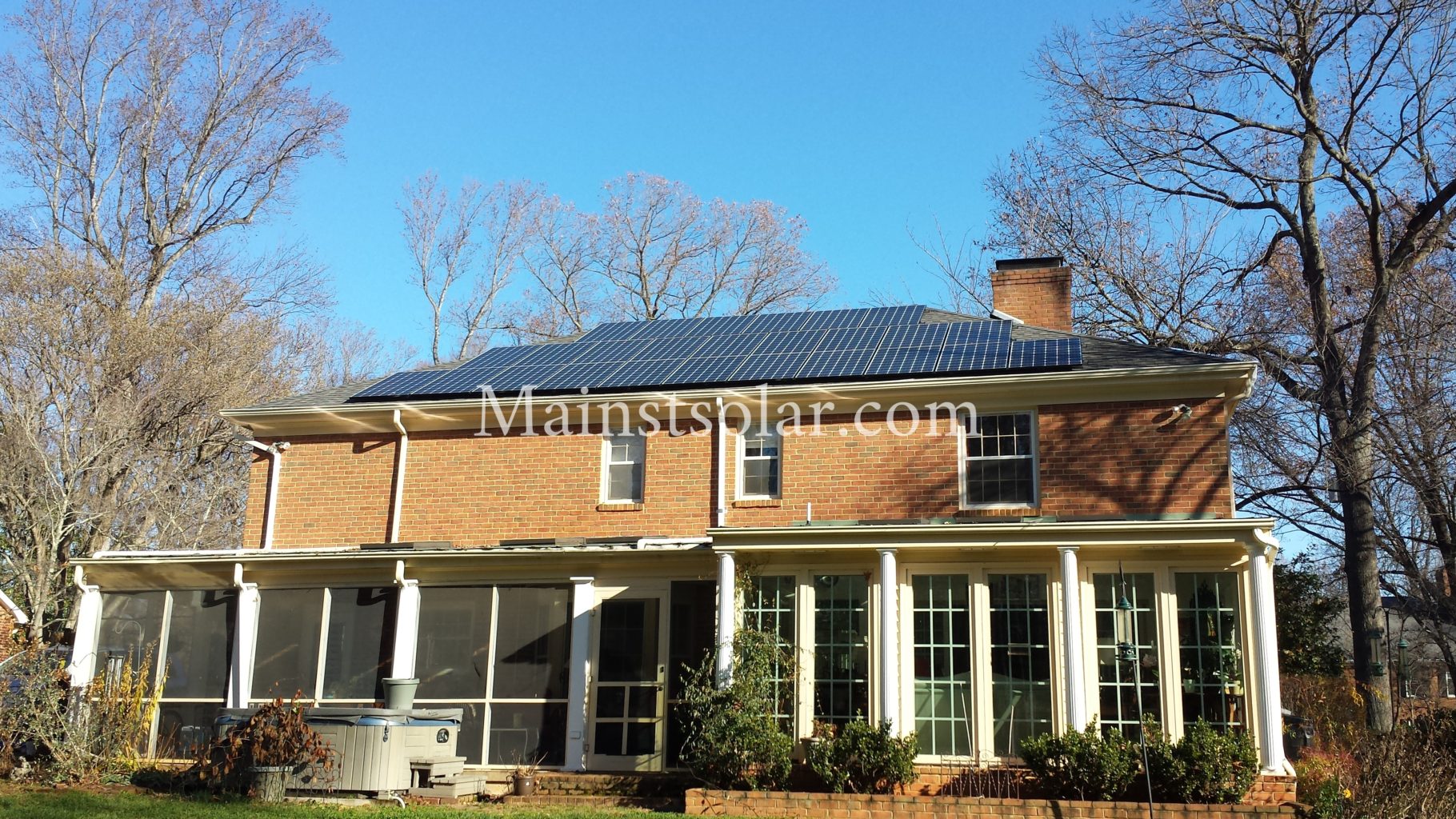
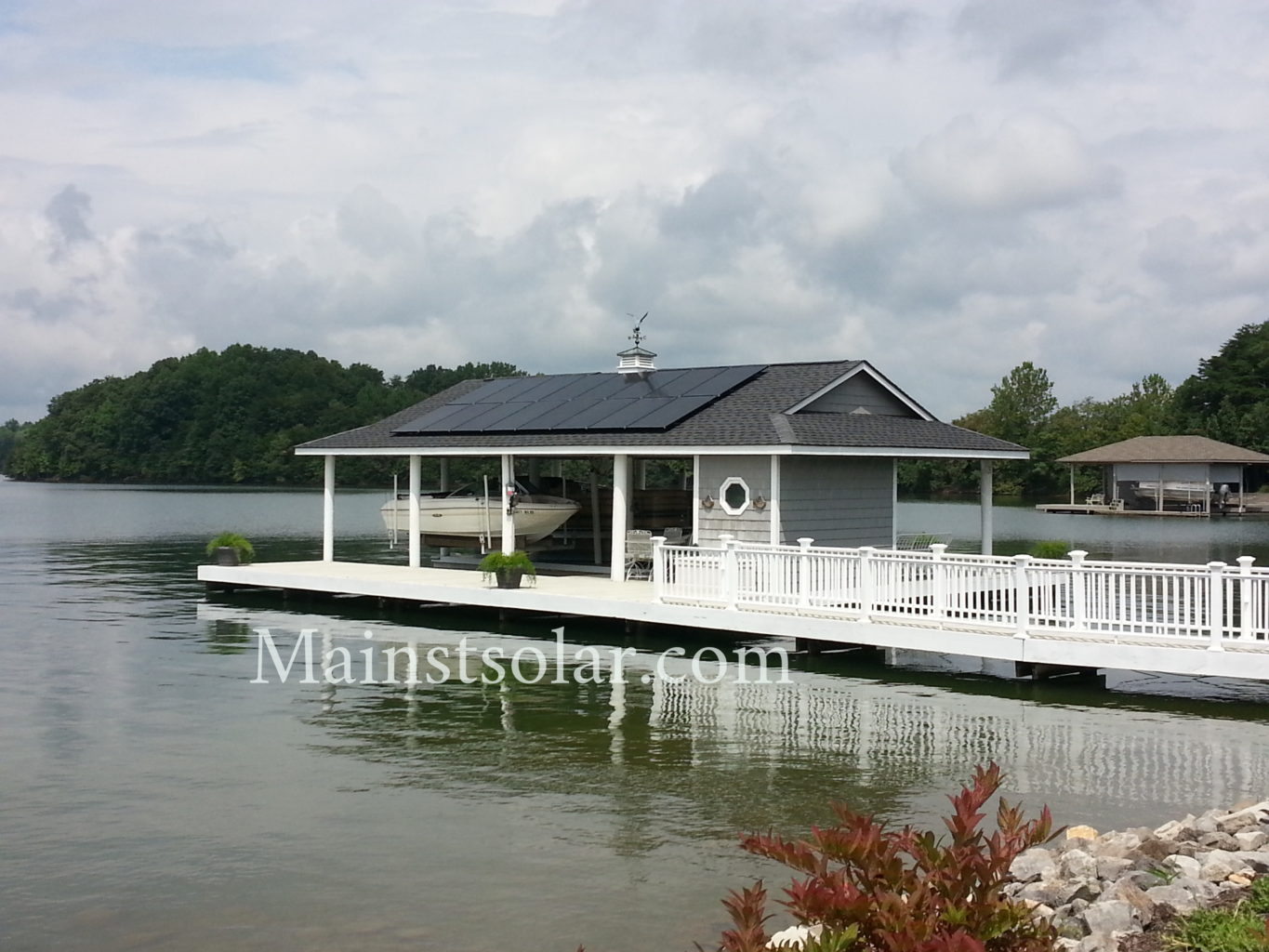
The most common reason people install a solar grid tie system is to reduce their utility bills. Once your system is operating the power it provides is free. There is little or no maintenance required. While it runs, your PV system reduces your electrical bills. It decreases how much power you pull from your utility, but also because any excess power you produce is pushed back into the grid (net metering) effectively turning your meter backwards. Eventually your PV system will pay for itself, and your energy savings will continue long after.
In addition to what you save on your electric bill, having a grid tie system raises the value of your property. Solar also makes a home more attractive to potential buyers, particularly when compared to an otherwise identical home. This can make a big difference should you decide to sell your home in a tight real estate market.
Another great incentive for installing solar is that the Federal government, and many states and local utilities, offer rebates, tax credits, low interest loans and other incentives for adding solar power.
And of course, solar energy is a clean source of power. It reduces dependence on fossil fuels in a practical and effective way, and helps protect our environment.
System Payback. Payback is usually used to describe the time it takes for an investment to pay for itself, similar to Return On Investment. However, the basic assumption behind a payback calculation is that this is a discretionary expenditure, I can choose to invest in this energy equipment, or not, and if I don’t, I can put that amount of money in the bank and with no risk, make some interest.
Paying an electric bill is not a ‘discretionary’ expense for most people; they have no choice! By buying a solar electric system you are taking money that you would be “giving” to your electric utility and investing it in your home.
A residential grid-tie system in Virginia will typically pay for itself between 8 to 13 years (site specific). Considering that solar panels come with a 25-year warranty, and have a 30-50 year design life (depending on manufacture), that basically means that after the first 13 years they’ve paid for themselves. They then go on to generate ‘free power’ for the next 20 to 40 years. That’s 30 years of positive cash flow, money in your pocket in the form of avoiding electric bills. In addition to your reduced power bills, a home solar panel system increases the value of your home with out adding additional tax value.